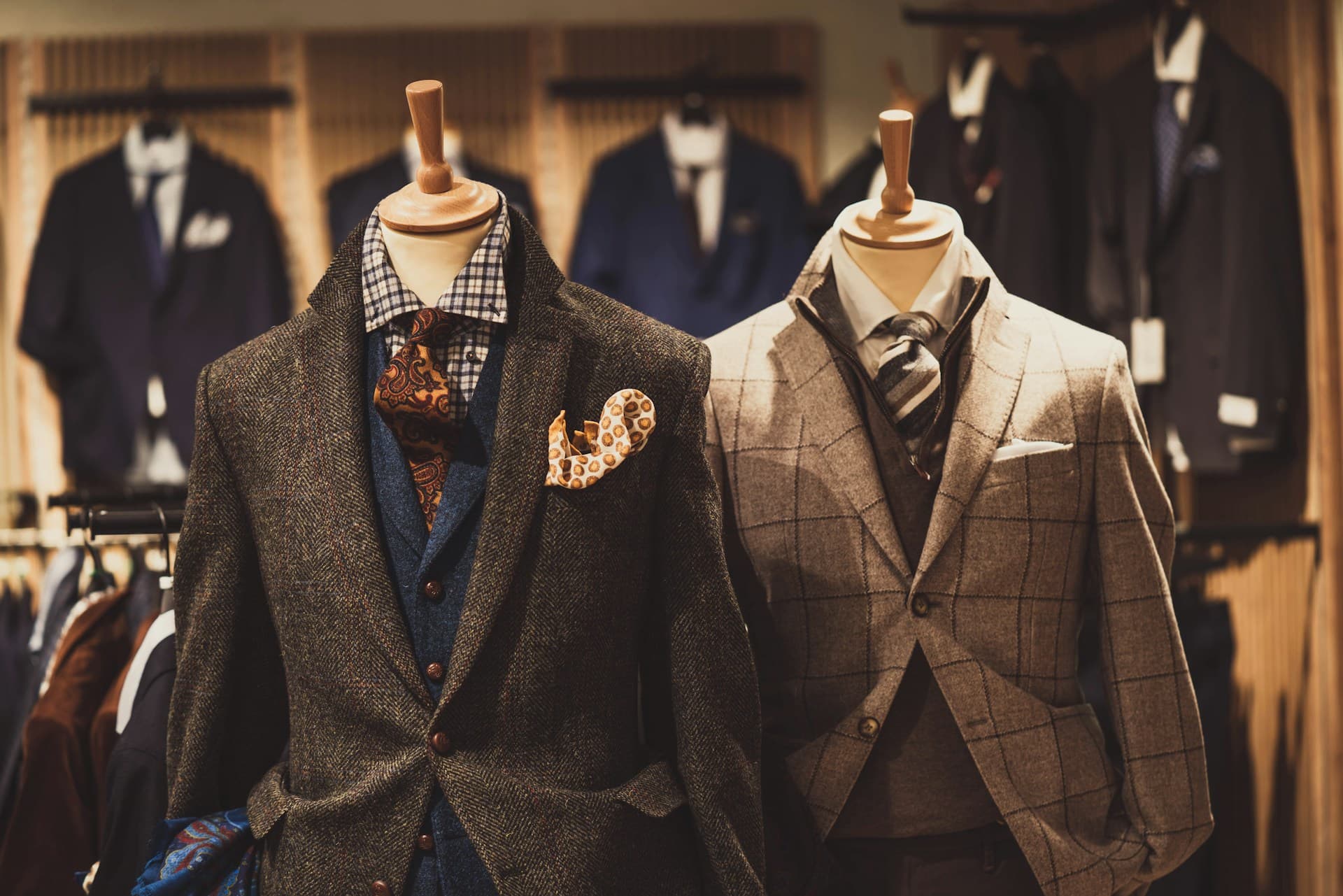
A wedding suit should feel appropriate for the occasion, comfortable throughout the day and personal to the man wearing it. While navy and charcoal wool remain dependable choices, some celebrations call for tailoring with greater texture and individuality.
A tweed wedding suit offers exactly that.
Rich in character and available in an extensive range of colours, weights and patterns, tweed can create a wedding look that feels elegant without appearing overly formal. It works especially well for countryside ceremonies, autumn and winter weddings, historic venues and celebrations where the groom wants to move beyond the conventional business suit.
However, choosing tweed requires careful consideration. The cloth, colour, pattern, construction and styling must all suit the season, venue and level of formality.
When these elements are thoughtfully combined through bespoke tailoring, a tweed suit can become one of the most memorable and wearable garments in a groom’s wardrobe.
What Is Tweed?
Tweed is a woollen fabric traditionally recognised for its textured surface, durability and depth of colour.
Unlike the smooth finish of conventional worsted business wool, tweed has a more tactile appearance. Its fibres and woven patterns create subtle variations in tone, allowing the cloth to reveal new details as the light changes.
Tweed is available in many different forms. Some cloths are substantial and rugged, while others are lighter, softer and suitable for refined contemporary tailoring.
Common tweed patterns include:
- Herringbone
- Houndstooth
- Windowpane checks
- Overchecks
- Glen checks
- Donegal-style flecks
- Subtle tonal textures
This variety allows a tweed wedding suit to appear traditional, modern, understated or expressive depending on the groom’s preferences.
Why Choose Tweed for a Wedding Suit?
A wedding is an opportunity to wear something more distinctive than an everyday office suit. Tweed provides visual interest through its texture and colour without requiring unnecessary decoration.
It can be an excellent choice for a groom who wants a suit that feels:
- Personal and individual
- Relaxed but still elegant
- Appropriate for a rural or historic venue
- Rich in seasonal colour
- Distinctive in photographs
- Suitable for wearing again after the wedding
Tweed also works particularly well with waistcoats, textured ties, leather shoes and seasonal accessories. This gives the groom greater freedom to create a complete look rather than relying on the suit alone.
Most importantly, tweed does not need to resemble traditional country clothing. With the right weight, cut and proportions, it can be shaped into a clean, sophisticated wedding suit suited to a contemporary celebration.
Consider the Season
The season is one of the most important factors when selecting a tweed wedding suit.
Autumn Weddings
Autumn is perhaps the most natural season for tweed. The fabric’s texture complements the deeper colours associated with the season, including brown, olive, rust, burgundy, forest green and warm grey. A tweed suit can feel especially appropriate in a countryside estate, vineyard, barn or historic hotel.
A brown or olive tweed with a subtle overcheck can create a warm and distinctive appearance. It may be paired with a cream shirt, textured tie and dark-brown shoes for a cohesive seasonal look.
Winter Weddings
For a winter wedding, a more substantial tweed provides warmth as well as visual depth. Charcoal, deep navy, dark brown and forest green are strong options. A three-piece suit can add both formality and comfort, allowing the groom to remove his jacket later while maintaining a complete tailored appearance.
Winter weddings also provide an opportunity to introduce heavier accessories, such as a wool or knitted tie, a textured pocket square and a bespoke overcoat.
Spring Weddings
Tweed can also work beautifully in spring when a lighter cloth and softer colour palette are selected. Pale grey, light brown, muted blue and sage can feel fresh without losing the character of the fabric.
Summer Weddings
Traditional heavy tweed is generally less suitable for hot weather, but lighter woollen fabrics and refined blends can create a similar textured appearance without excessive weight.
For a cool summer climate or an indoor celebration, a lightweight tweed-style cloth may still be appropriate. In warmer or humid conditions, however, a lighter wool, linen or wool-silk-linen blend may offer greater comfort while achieving a similarly distinctive look.
Match the Suit to the Wedding Venue
The setting should help guide the design of the suit. Tweed feels naturally at home in rural surroundings, but it can also work for barn weddings, historic hotels, country houses, city ceremonies and selected destination weddings when the cloth and styling are chosen carefully.
For countryside and estate weddings, a herringbone or checked cloth can complement stone buildings, gardens, wood interiors and natural landscapes. For a city wedding, a fine navy, grey or dark-brown tweed with a clean finish can create a sophisticated alternative to standard suiting.
Choosing the Right Tweed Colour
Colour has a major influence on whether the suit feels formal, relaxed or seasonal.
Brown is one of the most traditional choices for tweed and works particularly well for autumn and countryside weddings. Grey tweed provides versatility and can feel more formal than brown or green. Navy tweed offers a balance between traditional wedding tailoring and textured country style.
Olive, moss and forest green create a distinctive connection with outdoor and countryside settings. Deeper red and rust tones can also be striking, but they require careful styling and may work better as an overcheck, waistcoat, tie or pocket square.
Plain Tweed or a Patterned Cloth?
A plain or subtly textured tweed is the most versatile option. It provides depth while remaining easy to coordinate with shirts, ties and the wedding party’s colours.
Patterned tweed creates a stronger statement. A herringbone weave introduces texture without appearing busy. A windowpane check can add individuality, while a smaller check often feels more traditional.
When choosing a pattern, consider how it will appear from a distance, in close-up photographs, beside the wedding party’s clothing, against the venue’s surroundings and when worn again after the wedding.
Two-Piece or Three-Piece?
A two-piece tweed suit feels cleaner and slightly more relaxed. It may be preferable for a spring wedding, a less formal ceremony or a groom who wants the jacket and trousers to remain easy to wear separately in the future.
A three-piece tweed suit adds occasion and makes the outfit feel more complete. It is particularly suitable for autumn and winter weddings and allows the groom to remove his jacket during the reception while still looking formally dressed.
The waistcoat may match the suit or provide contrast. A matching waistcoat creates a cohesive and traditional appearance, while a complementary fabric introduces individuality.
Selecting the Jacket Style
The jacket determines much of the suit’s overall character. A single-breasted, two-button jacket is the most versatile choice, offering a clean silhouette that works with both plain and patterned tweeds.
A double-breasted tweed suit makes a stronger statement. The overlapping front and peak lapels give the jacket presence, while the texture of the cloth softens its formality. This can work particularly well for a stylish winter or city wedding.
Pocket style and vents should complement the overall design. Side vents generally provide comfort and allow the jacket to fall cleanly when the groom is standing, sitting or moving throughout the wedding day.
Getting the Trouser Proportions Right
Tweed has more visual weight than smooth business wool, so the trousers should not be cut excessively narrow. A clean, gently tapered leg usually provides the best balance.
A medium or higher rise can help lengthen the leg line and create a smooth transition beneath a waistcoat or closed jacket. Side adjusters often create the cleanest formal appearance because they avoid the visual interruption of a belt.
What Shirt Should You Wear?
A white bespoke shirt is the safest and most formal choice. It provides a clean background and works with almost every tweed colour or pattern.
Cream and ivory shirts can pair beautifully with warmer brown, olive and rust cloths, while pale blue offers a softer alternative and works especially well with grey, navy and brown tweed.
The shirt fabric should be comfortable enough for an entire day of wear. The collar should sit neatly beneath the jacket and remain in proportion with the lapels and tie.
Choosing a Tie and Pocket Square
Tweed pairs naturally with accessories that have texture. A knitted silk, grenadine, wool or matte-finished tie can complement the cloth without competing with it.
Suitable colours may include burgundy, forest green, navy, rust, mustard, chocolate brown, soft gold and muted blue. When the suit contains a check, the tie should generally be simpler.
The Right Shoes for a Tweed Suit
Brown leather is a natural partner for many tweed colours. Dark-brown Oxfords or Derbies can maintain formality, while brogues provide a more traditional country character.
Burgundy leather works particularly well with grey, navy and green tweed. Black shoes may be appropriate with charcoal or dark-grey tweed, particularly for an evening or city wedding.
Coordinating the Groom and Groomsmen
The groom does not need to dress identically to the groomsmen. Subtle differences can help distinguish him while keeping the wedding party visually connected.
The groom may wear a full tweed three-piece suit while the groomsmen wear plain wool suits with matching tweed waistcoats, navy suits with coordinated ties, tweed jackets with neutral trousers or similar colours in simpler fabrics.
Can You Wear the Suit Again?
A wedding suit becomes more valuable when it can be worn beyond the ceremony. A navy, grey, brown or olive tweed suit can be separated into individual garments after the wedding.
The jacket may be paired with flannel trousers, chinos or dark denim, while the trousers can be worn with knitwear or a contrasting sports jacket. The waistcoat may also be worn independently at future celebrations.
Why Bespoke Tailoring Matters
Tweed requires precise cutting. Its texture and pattern can make poor alignment more visible, particularly across the jacket’s front, pockets, lapels and seams.
At Manning Company, each bespoke commission begins with a personal consultation. The groom’s measurements, posture, proportions, wedding setting and individual preferences are considered before an exclusive paper pattern is drafted.
The cloth is cut and shaped by experienced artisans in our Hong Kong workshop. Through multiple fittings, the jacket balance, shoulder line, waist, sleeves and trouser proportions can be gradually refined.
Full-canvas construction helps the jacket retain its structure while allowing it to adapt naturally to the wearer over time.
When Should You Order a Bespoke Wedding Suit?
A bespoke wedding suit should be planned well before the wedding day. Beginning early allows sufficient time for consultation, fabric selection, pattern drafting, construction and fittings.
Clients who cannot visit Hong Kong may also meet Manning Company’s travelling tailoring team during selected international trunk shows. Appointments allow measurements and design preferences to be discussed in person before the garment is crafted and refined by the Hong Kong workshop.
A Wedding Suit With Lasting Character
A tweed wedding suit offers something beyond conventional formalwear. Its texture, colour and pattern give the groom an opportunity to create a look that feels personal to the celebration.
The key is balance. The cloth must suit the season, the pattern must work with the groom’s proportions, and the jacket, waistcoat and trousers must form one cohesive silhouette.
At Manning Company, our tailoring team can guide you through cloth weights, colours, patterns, jacket styles and finishing details to create a bespoke wedding suit made specifically for you.
Visit our Hong Kong workshop or arrange an appointment during an international trunk show to begin planning your wedding attire.
Book an appointment with Manning Company and create a tweed wedding suit with character, comfort and enduring style.


